

How to Protect Your Online Privacy in 2026
With the rise of AI, smart devices, and online platforms, knowing how to protect your online privacy in 2026 is more important than ever. Cyber threats, data leaks, and identity theft are evolving, and staying informed is key to keeping your personal information safe.
This guide covers practical steps, tools, and strategies to ensure your digital life remains secure and private.
Why Online Privacy Matters in 2026
Online privacy is no longer optional. By 2026, personal data will be used to personalize experiences, target ads, and even influence decisions. Protecting your privacy ensures:
- Data security
- Protection from identity theft
- Control over personal information
- Safer online interactions
Understanding how to protect your online privacy in 2026 is crucial for individuals and businesses alike.
1. Use Strong, Unique Passwords
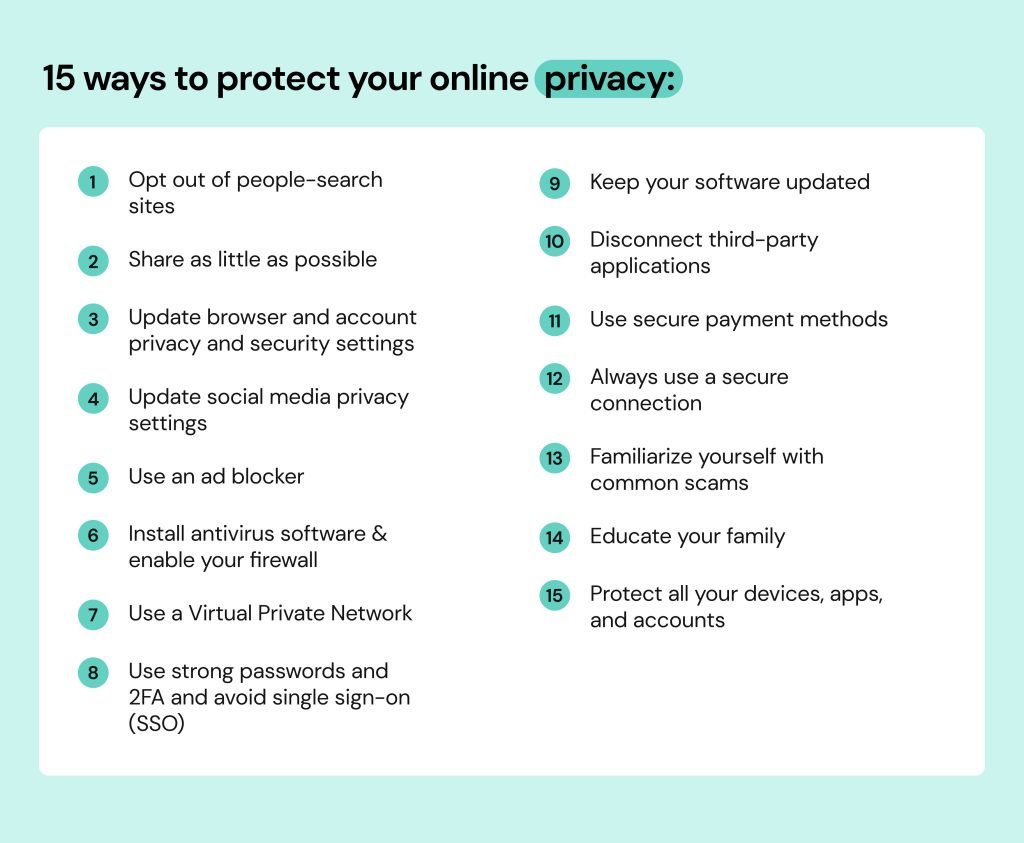
Passwords are your first line of defense. Use strong, unique passwords for every account and enable multi-factor authentication (MFA) whenever possible. Password managers can help securely store and generate complex passwords.
2. Enable Two-Factor Authentication (2FA)
Two-factor authentication adds an extra security layer by requiring a second verification step. Even if your password is compromised, 2FA prevents unauthorized access to your accounts.
3. Secure Your Devices
Keep all devices updated with the latest software and security patches. Use antivirus software, VPNs, and firewalls to protect against malware and hackers. Avoid connecting to unsecured public Wi-Fi networks.
4. Manage Your Data Sharing
Review app permissions and privacy settings regularly. Limit unnecessary data sharing on social media, apps, and websites. Only provide essential personal information when required.
5. Use Encrypted Communication
Encrypt your emails, messages, and video calls whenever possible. Apps like Signal or WhatsApp with end-to-end encryption protect your conversations from eavesdropping.
6. Be Wary of Phishing and Scams
Cybercriminals use phishing emails, fake websites, and malicious links to steal data. Always verify sources before clicking links or sharing personal information.
Advanced Tips to Protect Your Online Privacy in 2026
As technology evolves in 2026, protecting your online privacy requires staying ahead of new threats. Beyond basic security measures, here are additional strategies to safeguard your digital life:
- Regularly Clear Cookies and Browser Data
Websites track user behavior using cookies. Clearing cookies and cache regularly reduces tracking and limits targeted ads. - Use Privacy-Focused Browsers
Browsers like Brave, Firefox, and Tor are designed to protect user data, block trackers, and prevent fingerprinting. Switching to these browsers ensures a safer online experience. - Be Cautious with Smart Devices
Smart homes and IoT devices are convenient but can expose personal information. Secure devices with strong passwords, firmware updates, and network segmentation to protect your privacy. - Control Location Tracking
Disable unnecessary location tracking on apps and devices. Location data can be used to target you, profile your behavior, or even compromise your safety. - Review Social Media Privacy Settings
Social media platforms collect massive amounts of personal data. Limit what you share publicly, regularly check privacy settings, and avoid oversharing sensitive information. - Backup Important Data Securely
Use encrypted cloud storage or offline backups to protect your data in case of ransomware or cyberattacks. - Stay Updated on Privacy Laws
Governments and organizations are increasingly enforcing privacy regulations. Familiarize yourself with GDPR, CCPA, and other relevant laws to understand your rights and how your data is protected.
By implementing these advanced strategies, you not only strengthen your online security but also maintain control over your personal information. The ability to protect your online privacy in 2026 will be a crucial skill for navigating the digital world safely and confidently.
Voice Search & AEO Optimized Questions
How can I protect my online privacy in 2026?
Use strong passwords, enable 2FA, secure devices, encrypt communications, and limit data sharing.
Why is online privacy important in 2026?
It protects your identity, prevents unauthorized access, and safeguards personal information from misuse.
Which tools help protect online privacy?
VPNs, password managers, antivirus software, encrypted messaging apps, and privacy-focused browsers are essential.
People Also Ask (PAA Section)
- What are the best ways to protect online privacy in 2026?
- How can I stop my data from being tracked online?
- Are VPNs effective for online privacy?
- How do I protect my privacy on social media in 2026?
Final Thoughts
Learning how to protect your online privacy in 2026 is essential for safe digital living. By taking proactive measures such as strong passwords, 2FA, device security, and encryption, you can maintain control over your personal data. Staying informed and cautious is key to navigating the online world safely.
🔗 Useful Resources
World Economic Forum – Cybersecurity & Privacy
https://www.weforum.org