

Studying effectively is more important than ever in 2026, with students balancing online classes, assignments, and exams. Understanding the best study techniques that actually work helps learners improve focus, retention, and overall academic performance. By using proven methods, students can reduce stress, save time, and achieve better results.
Why Using the Best Study Techniques That Actually Work Matters
Many students struggle because they rely on outdated or ineffective study habits. Knowing the best study techniques that actually work ensures that time spent studying translates into real knowledge. Key benefits include:
- Improved Memory Retention
- Faster Learning
- Higher Exam Scores
- Reduced Stress and Anxiety
In 2026, with the rise of digital learning tools, adopting the best study techniques that actually work is essential for success.
1. Active Recall: Testing Yourself
One of the most effective best study techniques that actually work is active recall. Instead of just reading notes, students test themselves frequently.
- Use flashcards or apps like Anki.
- Ask questions after each study session.
- Summarize topics from memory without looking at books.
Active recall strengthens memory pathways and makes information easier to retrieve during exams.
2. Spaced Repetition: Learn Smarter, Not Harder
Spaced repetition is a scientifically proven method and ranks among the best study techniques that actually work.
- Review information at increasing intervals.
- Combine with flashcards for maximum retention.
- Helps prevent forgetting and reduces cramming.
By 2026, most students using online learning platforms will rely on spaced repetition for efficient studying.
3. The Pomodoro Technique: Time Management for Focus
The Pomodoro Technique is one of the best study techniques that actually work for improving focus:
- Study for 25–30 minutes, then take a 5-minute break.
- After 4 sessions, take a longer break of 15–30 minutes.
- Keeps your brain fresh and prevents burnout.
Using timers and apps to track Pomodoro sessions ensures sustained concentration.
4. Mind Mapping: Visualize Your Learning
Mind maps help students organize information visually, making it easier to understand complex concepts.
- Start with the main topic in the center.
- Branch out with subtopics, keywords, and connections.
- Ideal for revision before exams.
Mind mapping is among the best study techniques that actually work because it promotes creativity and comprehension simultaneously.
5. Teach What You Learn: Feynman Technique
The Feynman Technique is a top method among the best study techniques that actually work:
- Explain the concept as if teaching someone else.
- Identify gaps in your understanding.
- Simplify and clarify information.
Teaching reinforces learning, ensures deep understanding, and highlights areas needing improvement.
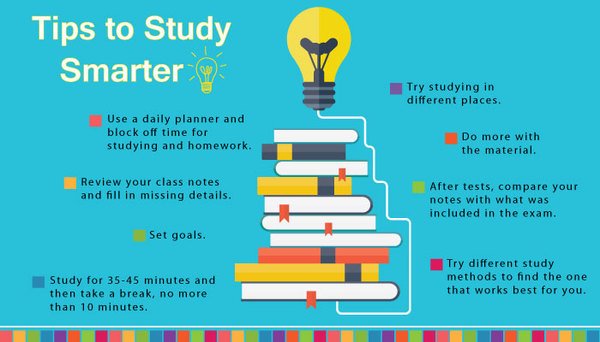
6. Eliminate Distractions and Create a Study Environment
Focus is critical for effective learning. Students following the best study techniques that actually work always:
- Study in a quiet, organized space.
- Put phones on silent or in another room.
- Limit social media and multitasking.
A dedicated environment increases efficiency and improves concentration.
7. Combine Reading, Writing, and Listening
Multi-sensory learning enhances memory. Using the best study techniques that actually work, students should:
- Read and take notes actively.
- Listen to lectures or podcasts.
- Write summaries and explanations.
Combining multiple senses helps retain knowledge longer.
8. Take Care of Your Body and Mind
The best study techniques that actually work go beyond books. Physical and mental health matters:
- Sleep 7–8 hours daily to improve memory consolidation.
- Exercise regularly to boost brain function.
- Eat healthy meals and stay hydrated.
A healthy body supports a sharper mind and more effective study sessions.
9. Use Technology Wisely
Digital tools in 2026 make studying more efficient. Among the best study techniques that actually work:
- Flashcard apps like Anki or Quizlet.
- Note-taking apps like Notion or OneNote.
- Mind mapping software like XMind.
Technology helps implement proven strategies faster and with better tracking.
Voice Search & PAA Optimized Questions
What are the best study techniques that actually work?
Active recall, spaced repetition, Pomodoro, mind mapping, and Feynman Technique are the most effective.
How can I improve my study efficiency in 2026?
Use proven study techniques, eliminate distractions, and combine multiple senses in learning.
Can technology improve study habits?
Yes, apps and software help track progress, create flashcards, and organize notes efficiently.
People Also Ask (PAA Section)
- How do the best study techniques improve memory?
- What is the most effective study method?
- How many hours should I study daily?
- Are online study tools effective?
Final Thoughts
The best study techniques that actually work are no longer optional. By combining active recall, spaced repetition, Pomodoro, mind mapping, and Feynman techniques, students can improve focus, retain knowledge, and excel academically. Proper study habits, healthy routines, and smart use of technology make learning efficient and enjoyable.
Embracing these strategies ensures students in 2026 can achieve their goals with less stress and more success.
1 thought on “Best Study Techniques That Actually Work for Students in 2026”