
The global job market is changing rapidly. Today, why skill-based learning matters more than degrees is a question being asked by students, employers, and professionals worldwide. In 2025 and beyond, companies are prioritizing practical skills over traditional academic qualifications.
While degrees still have value, real-world skills, adaptability, and hands-on experience are becoming the true currency of success.
Why Skill-Based Learning Matters More Than Degrees in Today’s Job Market
Employers no longer hire based only on certificates. They want proof of ability. This is exactly why skill-based learning matters more than degrees in modern careers.
Key reasons include:
- Rapid technological change
- Demand for job-ready talent
- Shorter learning cycles
- Focus on performance over theory
Many top companies now hire based on skills tests, portfolios, and real projects rather than university degrees.
The Shift from Degrees to Skills
In the past, degrees were considered essential for career success. Today, why skill-based learning matters more than degrees is clear as industries evolve faster than academic curricula.
Real-World Relevance
Skill-based learning focuses on:
- Practical problem-solving
- Hands-on experience
- Industry-relevant tools
- Continuous improvement
Degrees often lag behind current industry needs, while skill-based learning stays updated.
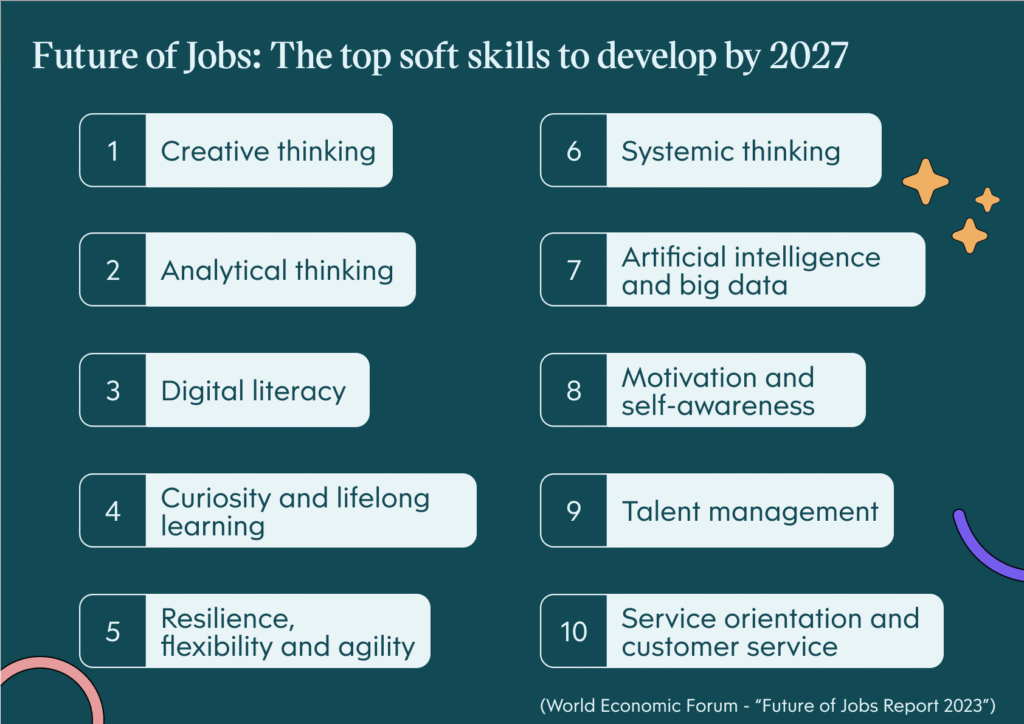
Why Skill-Based Learning Matters More Than Degrees for Career Growth
Career growth now depends on how quickly you can learn and adapt. This explains why skill-based learning matters more than degrees for long-term success.
Faster Entry into the Workforce
Skill-based courses:
- Take weeks or months instead of years
- Cost significantly less
- Focus on employable skills
This allows learners to start earning sooner and grow through experience.
Skill-Based Learning and High-Paying Careers
Some of the highest-paying roles today do not require degrees.
Examples include:
- Software development
- Digital marketing
- Data analysis
- UI/UX design
- Cybersecurity
These careers prove why skill-based learning matters more than degrees in the modern economy.
Why Skill-Based Learning Matters More Than Degrees in the Digital Age
The digital age rewards skills, not titles. Employers value:
- What you can do
- How you solve problems
- How fast you learn
Online platforms, bootcamps, and certifications are now trusted alternatives to traditional degrees, reinforcing why skill-based learning matters more than degrees globally.
Global Access and Equal Opportunities
One major advantage of skill-based learning is accessibility.
Learning Without Borders
Skill-based education:
- Is available online
- Removes financial barriers
- Supports self-paced learning
- Creates global job opportunities
This global reach explains why skill-based learning matters more than degrees, especially in developing countries.
Employers Prefer Skills Over Degrees
Many companies openly state they prioritize skills.
Major employers now:
- Remove degree requirements
- Use skills-based hiring tests
- Focus on portfolios and experience
This hiring shift clearly shows why skill-based learning matters more than degrees in 2025.
Skill-Based Learning Encourages Lifelong Learning
Degrees are static. Skills evolve.
Continuous Upskilling
Skill-based learners:
- Regularly update their knowledge
- Adapt to industry changes
- Stay competitive
This flexibility is another reason why skill-based learning matters more than degrees for future-proof careers.
Challenges of Skill-Based Learning
Despite its advantages, skill-based learning has challenges:
- Requires self-discipline
- No universal standardization
- Overcrowded learning platforms
However, these challenges are manageable with proper guidance and credible certifications.
Voice Search Optimized Questions (AEO)
Why does skill-based learning matter more than degrees?
Because employers value practical skills, adaptability, and job-ready talent more than academic qualifications.
Can skills replace degrees completely?
Not entirely, but skills often matter more for performance-based roles.
Do companies hire without degrees now?
Yes, many companies prioritize skills, experience, and portfolios over degrees.
People Also Ask (PAA Section)
- Is skill-based learning better than traditional education?
- Why are degrees losing value?
- Which skills are most in demand today?
- How can I learn skills without a degree?
The Future of Education: Skills First
Education systems are slowly adapting. Universities are introducing:
- Micro-credentials
- Short-term certifications
- Industry partnerships
Still, why skill-based learning matters more than degrees remains clear as industries evolve faster than traditional education models.
Final Thoughts
Understanding why skill-based learning matters more than degrees is essential in today’s fast-changing world. Skills provide flexibility, faster employment, and real-world value. Degrees may open doors, but skills keep you inside and help you grow.
Those who focus on learning relevant skills will thrive in the future economy—regardless of their academic background.
Like this job